
"Filipino arabica"
40 article(s) found

% arabica Coffee has been abandoned by foreign cooperative agents to create a Philippine local coffee brand.
Some time ago, the coffee workshop reported that Filipino netizens posted that all local arabica coffee shops suddenly locked their doors, so local netizens and the media asked% arabica if he was going to withdraw from the Philippine market. Later,% arabica announced him on Facebook.
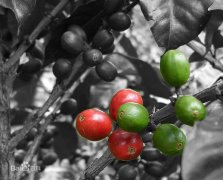
The Philippines also has coffee with Filipino coffee flavor.
Coffee was introduced into the Philippines (Philippines) in the early 19th century, and by 1880 the country had become the fourth largest coffee exporter in the world. However, due to the spread of coffee rust, the country became a coffee importer shortly after 1880. However, the coffee growing industry has gradually recovered. Today, after slow and steady development, the country's coffee industry continues to grow and develop quality.

Philippines% arabica suddenly closed all Arabica Coffee official account suddenly cancelled?!
On January 30th, Filipino netizens announced on the social platform that the% Arabica store in Dayi City, Philippines was suddenly closed! Subsequently, netizens in other parts of the Philippines also posted online that% of the Arabica stores in the Philippines were also closed. Due to the sudden% Arabi
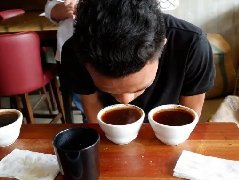
Philippine Coffee: seeking Development in the double barriers of abnormal Climate and cheap imported Coffee
Professional coffee knowledge exchange more coffee bean information please follow the coffee workshop (Wechat official account cafe_style) the Philippines is a coffee producer. The country's different topography and climate make it suitable not only for growing Robusta, but also for Arabica, Liberia and Excelsa. But in recent years, the Philippines has not produced enough to support its coffee consumption.

Why is Kopi Luwak so expensive? is Kopi Luwak delicious? is it really made of shit?
For more information on coffee beans, please follow the coffee workshop (Wechat official account cafe_style) Kopi Luwak (Kopi Luwak), also known as civet coffee (English: civet coffee, Indonesian: Kopi Luwak, Filipino: Kape Motit, Kape Alamid, Kape Mel?, Kape Musang). In Indonesian, Kopi means coffee.

Global coffee producing area-Philippines
Coffee was introduced into the Philippines (Philippines) in the early 19th century and by 1880 the country had become the fourth largest coffee exporter in the world. However, due to the spread of coffee rust, the country became a coffee importer soon after 1880. However, the coffee growing industry has gradually recovered. Coffee production in the Philippines: the Philippines is one of the few countries that can grow four varieties of coffee.
Coffee from the Philippines
Coffee was introduced into the Philippines (Philippines) in the early 19th century and by 1880 the country had become the fourth largest coffee exporter in the world. However, due to the spread of coffee rust, the country became a coffee importer soon after 1880. However, the coffee growing industry has gradually recovered. Coffee production in the Philippines: the Philippines is one of the few countries that can grow four varieties of coffee.
Basic knowledge of Fine Coffee Coffee from the Philippines
Coffee was introduced into the Philippines (Philippines) in the early 19th century and by 1880 the country had become the fourth largest coffee exporter in the world. However, due to the spread of coffee rust, the country became a coffee importer soon after 1880. However, the coffee growing industry has gradually recovered. Coffee production in the Philippines: the Philippines is one of the few countries that can grow four varieties of coffee.

The coffee producing area of the Philippines.
Coffee was introduced into the Philippines (Philippines) in the early 19th century and by 1880 the country had become the fourth largest coffee exporter in the world. However, due to the spread of coffee rust, the country became a coffee importer soon after 1880. However, the coffee growing industry has gradually recovered. Coffee production in the Philippines: the Philippines is one of the few countries that can grow four varieties of coffee.
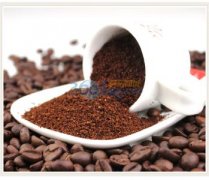
Boutique coffee bean producing countries introduce Philippine coffee
Coffee was introduced into the Philippines (Philippines) in the early 19th century and by 1880 the country had become the fourth largest coffee exporter in the world. However, due to the spread of coffee rust, the country became a coffee importer soon after 1880. However, the coffee growing industry has gradually recovered. Coffee production in the Philippines: the Philippines is one of the few countries that can grow four varieties of coffee.

Global Coffee producing area-Philippine Coffee Market
Coffee was introduced into the Philippines (Philippines) in the early 19th century and by 1880 the country had become the fourth largest coffee exporter in the world. However, due to the spread of coffee rust, the country became a coffee importer soon after 1880. However, the coffee growing industry has gradually recovered. Coffee production in the Philippines: the Philippines is one of the few countries that can grow four varieties of coffee.

Philippine Coffee introduces Philippine Coffee Flavor Philippine Coffee characteristics Philippine Coffee taste
Philippine coffee was introduced into the Philippines (Philippines) in the early 19th century, and by 1880 the country had become the fourth largest coffee exporter in the world. However, due to the spread of coffee rust, the country became a coffee importer soon after 1880. However, the coffee growing industry has gradually recovered. The origin of coffee in the Philippines: the Philippines is less able to grow 4 varieties of coffee

Coffee flavors from different coffee producing areas in the world coffee producing areas in the Philippines
Philippine coffee was introduced into the Philippines (Philippines) in the early 19th century, and by 1880 the country had become the fourth largest coffee exporter in the world. However, due to the spread of coffee rust, the country became a coffee importer soon after 1880. However, the coffee growing industry has gradually recovered. The origin of coffee in the Philippines: the Philippines is less able to grow 4 varieties of coffee
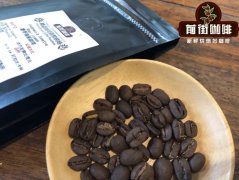
The flavor and taste characteristics of high-priced cat shit coffee beans from Indonesia and the origin of the story behind them.
Kopi Luwak, I believe everyone has heard of it! Kopi Luwak produces very little, and goods are scarce, so his price is very high. Do you know where it is of origin? Why is he called Kopi Luwak? With these questions, let's take a look at this Kopi Luwak from Qianjie Coffee. According to Qianjie, it is known that civets live mainly in Indonesia, which is below 2100 meters above sea level.

Fine Coffee Culture in the Philippines
Coffee culture in the Philippines is undergoing its third reform, which is what we call the "third wave". Filipinos are already familiar with instant coffee, the traditional and rare coffee variety Barako and coffee chains.

What is the new breed of coffee in Barako? What effect can Barraco coffee have on the third wave?
Can the third wave save traditional coffee varieties from extinction? Barraco coffee has a strong smell and unique flavor and has a history of more than 200 years in the Philippines. Nowadays, it is difficult to find a place in the hearts and cups of the younger generation-but some Filipinos are asking if there is enough room for the third wave. What is KAPENG BARAKO? Carpengbalaco
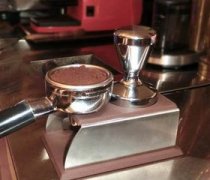
General knowledge of Fine Coffee Culture Fine Coffee Culture in the Philippines
The coffee culture of the Philippines is undergoing its third reform, which is what we call the third wave. Filipinos are already familiar with instant coffee, the traditional and rare coffee variety Barako and coffee chains. Local boutique coffee also plays an important role in Philippine coffee culture, and everyone is open to accepting and learning new things. Philippine boutique coffee

Cat poop Coffee Bean Flavor and Taste Story the difference between Yunnan Coffee Bean and Indonesia
Kopi Luwak (Kopi Luwak), also known as civet coffee (English: civet coffee, Indonesian: Kopi Luwak, Filipino: Kape Motit, Kape Alamid, Kape Mel?, Kape Musang). In Indonesian, Kopi means coffee and Luwak means civet. The natural producing areas and artificial farms of civet coffee are mainly concentrated in the island group of Indonesia.
Blue Mountain Coffee characteristics boutique Kopi Luwak introduction Kopi Luwak how much is a cup of Kopi Luwak price list
The coffee brand is 100% guaranteed pure wild kopi luwak, which is produced in Sumatra, Zawa, and Sulvish and is part of the 13677 islands of Indonesia. Kopi Luwak brand is the only officially recognized brand by the Indonesian government, and it is deeply loved by coffee lovers for its unique fruity aroma and long aftertaste. Kopi Luwak is definitely an international luxury because
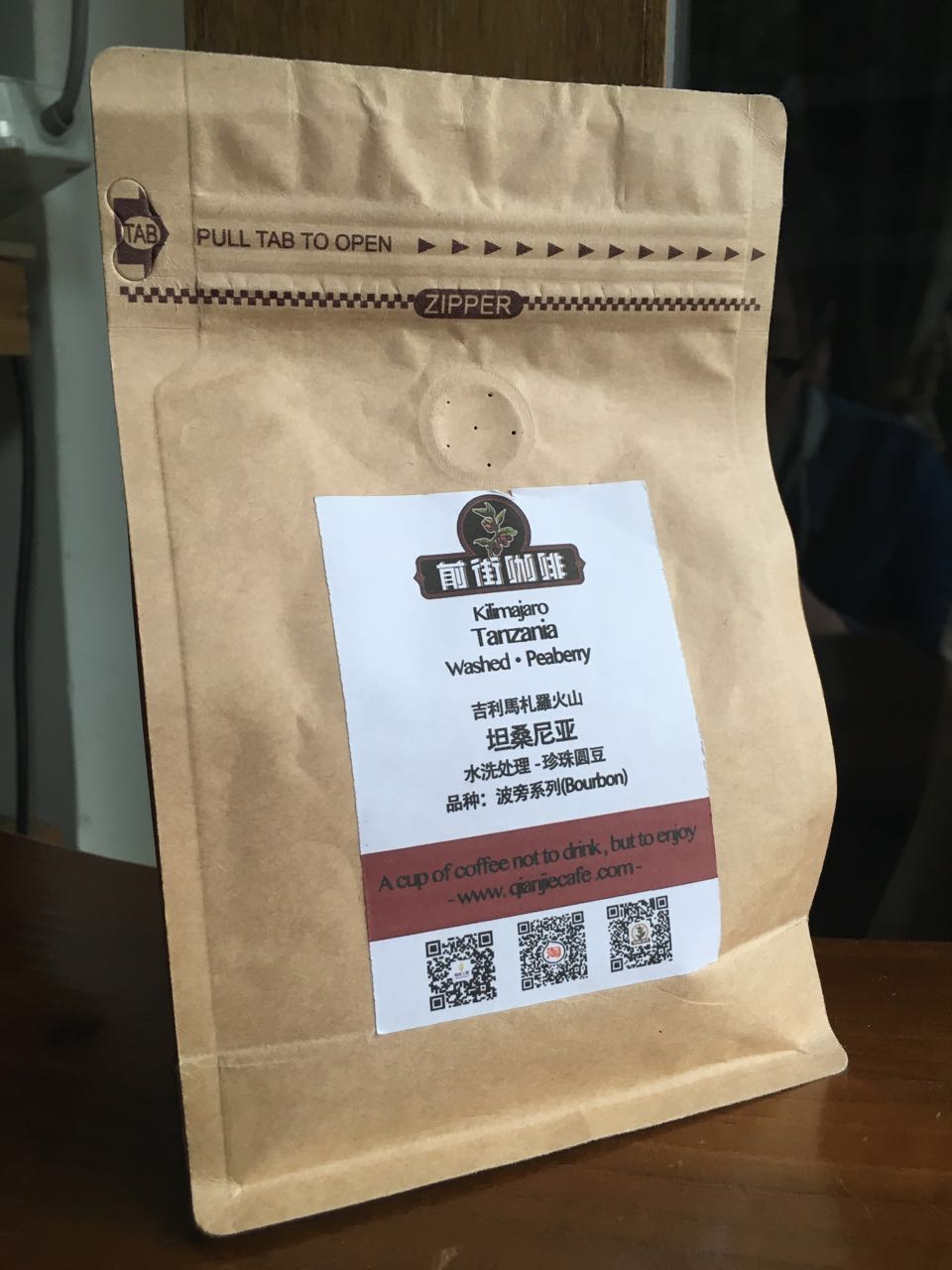
Like shit Coffee death wish Coffee the Origin of Indonesian Kopi Luwak Kopi Luwak
Coffee beans generally go through the process of shell fermentation, coffee beans in the civets' intestines, special bacteria provide a unique fermentation environment, the flavor becomes unique, particularly thick and mellow. The coffee beans fermented by civets' intestines and stomach are very thick and mellow. Eva, the owner of the special cafe, is a coffee enthusiast who travels around the world every year in search of rare goods. She told the reporter